
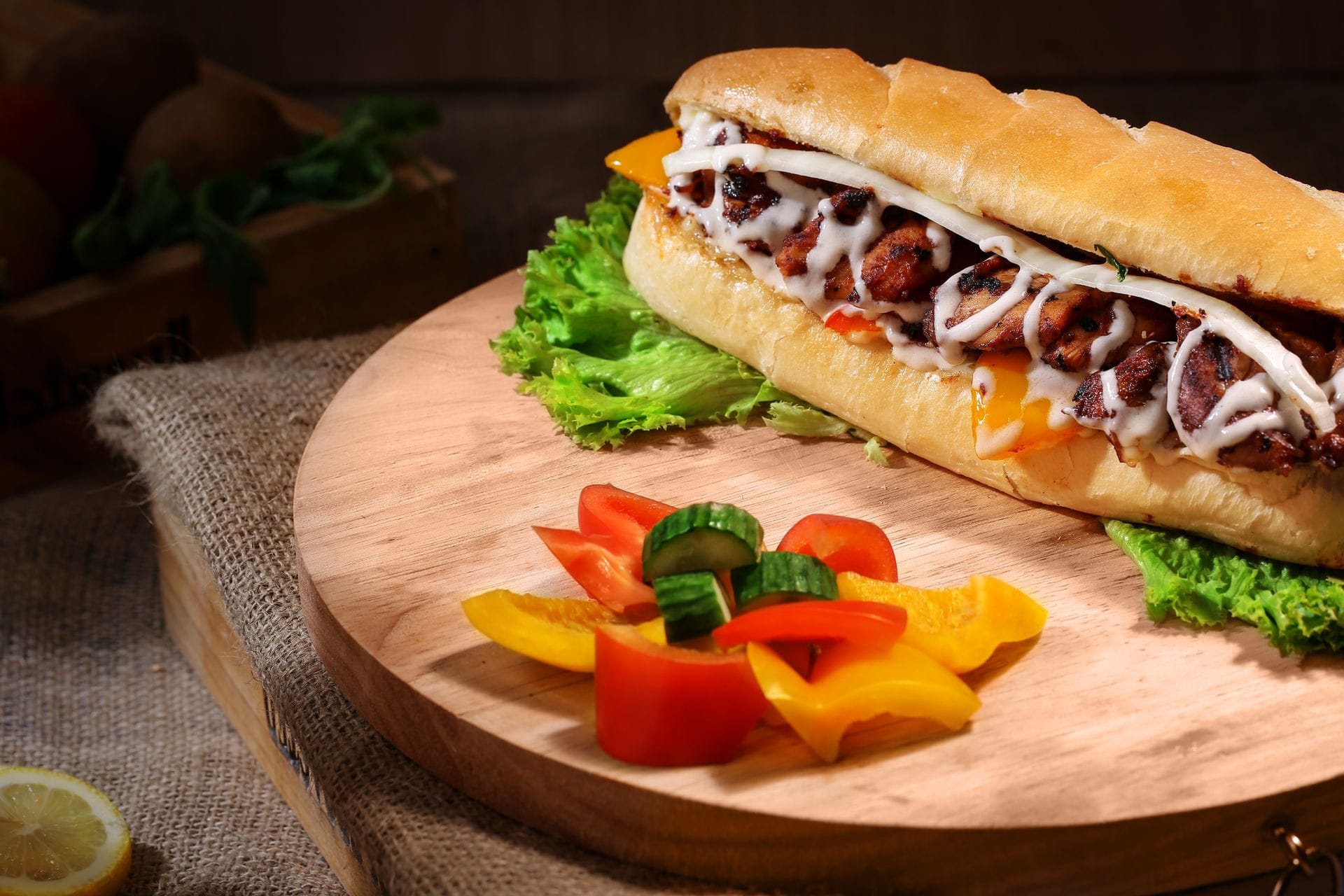
You’re hungry, you’re busy, and the drive-thru is five minutes away. Then comes the familiar thought: “There goes my diet.”
But eating fast food doesn’t automatically erase a week of healthy choices. What matters far more is what you order, how much you eat, and how that meal fits into your overall eating pattern.
Fast-food menus can certainly make it easy to pile up calories, sodium, saturated fat, and added sugar. A large burger combo with fries, soda, sauces, and dessert can become a very different meal from a grilled chicken sandwich with vegetables and water.
The useful question, then, isn’t “Can I eat fast food?”
It’s:
“How can I make a better fast-food choice when I need one?”
Whether you’re trying to lose weight, build muscle, eat more nutritiously, or simply survive an unusually busy day without living on snacks, here are some practical healthy fast food options that can help.
What Actually Makes a Fast Food Meal Healthier?
There isn’t a magic calorie number that turns a meal into a healthy one. Your calorie needs depend on factors such as your body size, activity level, age, and goals. Instead of chasing one number, look at the meal as a whole. A useful fast-food meal generally gives you some combination of:
- A meaningful source of protein
- Vegetables, fruit, beans, or another source of fiber
- A sensible portion
- Less saturated fat when alternatives are available
- Less added sugar
- A manageable amount of sodium
- A drink that doesn’t quietly add hundreds of extra calories
Think of it as building the best meal you can from the choices available—not trying to turn a drive-thru into a health-food store.
1. Grilled Chicken Sandwiches
A grilled chicken sandwich can be one of the simplest choices when you want something familiar and filling. You typically get a solid source of protein without the breading and frying found on many crispy chicken sandwiches. For a smarter order:
- Choose grilled rather than breaded chicken when available.
- Keep lettuce, tomato, and other vegetables.
- Go easy on creamy sauces.
- Skip extra cheese or bacon if you’re trying to reduce calories or saturated fat.
- Pair it with fruit, vegetables, or another lighter side instead of automatically ordering large fries.
One thing to remember: grilled doesn’t automatically mean low in sodium. Restaurant chicken may be seasoned or marinated heavily, so checking the restaurant’s nutrition information can still be worthwhile.
2. Burrito and Taco Bowls
Few fast-food meals are as customizable as a good burrito bowl. You can build one around:
- Chicken, lean meat, tofu, or beans
- Black or pinto beans
- Rice in a portion that fits your needs
- Fajita vegetables
- Lettuce
- Tomato salsa
- Corn salsa
- Guacamole
Beans are especially useful because they provide both plant protein and fiber.
Where bowls can become much heavier is when several calorie-dense extras are stacked together. Cheese, sour cream, queso, guacamole, and large portions of rice can all fit into a balanced diet, but you may not need generous servings of every one in the same bowl.
Choose the ingredients you actually enjoy rather than treating every topping as compulsory.
A simple bowl formula
Try:
Protein + beans + vegetables + salsa + a sensible carbohydrate portion
Then add one richer topping if you want it. That approach is simple, filling, and much easier to customize around different fitness goals.
3. Protein-Packed Salads
Ordering a salad sounds healthy, but the word “salad” tells you surprisingly little about its nutrition. A salad topped with fried chicken, bacon, cheese, crispy noodles, and a generous amount of creamy dressing can be much heavier than you expect. Instead, build around:
- Grilled chicken
- Fish
- Eggs
- Beans
- Plenty of vegetables
- Fruit where available
- Nuts or seeds in sensible portions
- Vinaigrette or another dressing used moderately
Getting dressing on the side can help because you control how much actually goes onto the salad. A satisfying salad should feel like a real meal—not three leaves of lettuce that leave you searching for another snack 30 minutes later.
4. Grilled Chicken or Turkey Wraps
Wraps can work well when you need something easy to eat on the move. Look for one built around:
- Grilled chicken or turkey
- Lettuce
- Tomato
- Other vegetables
- A moderate amount of sauce
However, don’t assume a wrap is automatically lighter than a sandwich. Large tortillas, cheese, fried fillings, and creamy sauces can quickly change the nutritional profile. The name of the meal matters less than what is actually inside it.
5. Egg-Based Breakfast Sandwiches
Breakfast is often when convenience wins. You leave home late, grab coffee, realize you haven’t eaten anything, and suddenly the closest drive-thru becomes breakfast.
An egg-based breakfast sandwich can be a practical option, particularly when it includes eggs, lean protein, and a reasonably sized English muffin, bread, or wrap.
If the standard version is piled with sausage, multiple slices of cheese, and buttery sauces, see whether you can customize it. You can also pair a smaller breakfast sandwich with:
- Fresh fruit
- Plain or lower-sugar yogurt
- Water
- Unsweetened coffee or tea
And if breakfast is the meal where you struggle most with hunger, planning a few high-protein breakfasts ahead of time may make busy mornings much easier.
6. Bean-Based and Vegetarian Bowls
You don’t need meat for a satisfying fast-food meal. Beans, lentils, tofu, and other plant proteins can work well in bowls, wraps, salads, and tacos.
A bean-based bowl with vegetables, salsa, and rice can provide a useful combination of carbohydrates, fiber, and protein. Just be careful with the assumption that anything labeled vegetarian or plant-based must automatically be healthier.
A meatless burger covered with cheese and creamy sauce can still contain plenty of sodium and saturated fat. Look at the whole meal rather than the marketing label.
7. Single Burgers Instead of Oversized Combos
Sometimes you want a burger. Have the burger. The easiest adjustment is often choosing a single-patty burger instead of turning it into a double or triple-stacked meal with large fries and a sugary drink.
You can also:
- Add lettuce, tomato, and onion.
- Skip extra bacon if you don’t really want it.
- Reduce heavy sauces.
- Choose a smaller side.
- Drink water or an unsweetened beverage.
One burger isn’t usually what derails a sensible eating pattern. The bigger issue is how quickly the burger becomes an oversized combo.
8. Tacos With Simple Fillings
Tacos can be surprisingly flexible. Choose fillings such as
- Grilled chicken
- Lean beef
- Beans
- Lettuce
- Tomato
- Salsa
- Pico de gallo
Soft tacos with simple fillings can make portion control easier because you decide how many you actually need. The meal becomes heavier when every taco is loaded with fried shells, queso, sour cream, and several other rich toppings.
Again, you don’t have to remove everything enjoyable. Pick the extras you care about most.
9. Poke Bowls and Sushi
Quick-service poke and sushi restaurants can offer plenty of nutritious ingredients, particularly when meals include fish, vegetables, seaweed, edamame, and sensible portions of rice. A basic poke bowl might include:
- Salmon or tuna
- Rice or greens
- Edamame
- Cucumber
- Seaweed
- Other vegetables
Watch the sauces. Creamy mayonnaise-based sauces, sweet sauces, fried toppings, and tempura can turn a relatively simple bowl into something much richer.
Raw fish also needs to come from a reputable food establishment and may not be appropriate for everyone, including certain people who are pregnant or immunocompromised.
10. Soups, Chili, and Bean-Based Sides
A bowl of chili or bean-based soup can sometimes make a more satisfying choice than fries because it may provide protein and fiber. Vegetable-based soups can also add more vegetables to your meal.
The main catch is sodium. Restaurant soups and chili can contain significant amounts of salt, so compare nutrition information when it is available—particularly if you already consume plenty of high-sodium foods.
11. Fruit, Yogurt, or Smaller Sides
You don’t always have to order fries simply because they appear in the combo photograph. Depending on the restaurant, alternatives might include:
- Fresh fruit
- Apple slices
- Yogurt
- Side salad
- Vegetables
- A small soup
There is nothing wrong with eating fries occasionally, either. If you want them, another simple strategy is ordering a smaller portion instead of the largest size.
Healthy eating becomes much easier when you stop thinking in extremes.
12. Water, Unsweetened Tea, or Plain Coffee
Sometimes the easiest nutritional improvement has nothing to do with your food. It’s your drink. Sugary sodas, sweetened coffees, shakes, and specialty drinks can add substantial amounts of sugar and calories without making the meal much more filling.
Water is the simplest option. Unsweetened tea, sparkling water, or plain coffee can also work depending on what the restaurant offers.
You don’t need to obsess over every calorie. But if you regularly eat fast food, changing your usual drink can be one of the easiest habits to maintain.
How to Order Healthy Fast Food for Weight Loss
If fat loss is your goal, you still don’t need a special list of “diet foods.” Weight loss ultimately requires managing your overall energy intake over time. Fast food can fit into that approach when portions are reasonable.
Try this sequence:
1. Start with protein
Choose chicken, fish, eggs, lean meat, beans, or another protein source.
2. Add something high in fiber
Vegetables, beans, fruit, and whole grains where available can make the meal more satisfying.
3. Decide which extras actually matter
Maybe you love cheese but don’t care about mayonnaise. Keep the cheese. Skip the mayo. Healthy eating is much easier when you stop removing everything you enjoy and start making intentional trade-offs.
4. Look at the entire order
A moderate entrée can become a very high-calorie meal after adding large fries, sugary soda, several sauces, and dessert. Sometimes changing just one or two parts of the combo is enough.
What About Fast Food for Muscle Building?
If you’re trying to build muscle, protein becomes particularly useful—but more isn’t automatically better. A meal containing a quality protein source can contribute to your overall daily intake. Chicken bowls, egg sandwiches, grilled meat, bean-based meals, yogurt, and similar options can all work.
Carbohydrates aren’t the enemy either. Rice, bread, potatoes, beans, and fruit can provide useful energy, particularly around training.
Think beyond a single “muscle-building meal.” Training quality, total nutrition, recovery, sleep, and consistency all matter. If muscle gain is your goal, an efficient training plan matters just as much as what you order for lunch.
The Fast-Food Nutrition Number People Often Forget: Sodium
Calories get most of the attention, but sodium deserves a closer look. The American Heart Association recommends no more than 2,300 mg of sodium per day for most adults, with an ideal limit of no more than 1,500 mg for most adults.
Fast food can be surprisingly high in sodium because salt appears in buns, sauces, cheese, processed meats, seasoning blends, marinades, and other ingredients.
That means even an order that looks fairly balanced can contribute a significant amount toward your daily sodium intake. This doesn’t mean you need to panic over one salty meal.
Instead, compare similar menu items when nutrition information is available. If one choice contains dramatically more sodium than another and you don’t strongly prefer it, the lower-sodium option may be the smarter everyday choice.
Use the Restaurant’s Nutrition Information
One of the most practical tools for healthier fast-food eating is already in your pocket: your phone. Many restaurant websites and apps publish information for:
- Calories
- Protein
- Carbohydrates
- Fat
- Saturated fat
- Sodium
- Sugar
- Fiber
Use those numbers to compare options, not to chase nutritional perfection. For example, you might discover that two meals you assumed were similar have very different sodium levels—or that the “healthy-looking” salad becomes much heavier once its dressing and toppings are included.
Nutrition information is useful precisely because our guesses aren’t always accurate. If nutrition numbers still feel confusing, learning the basics of reading nutrition labels can make comparing foods much easier.
A Simple 20-Second Fast Food Checklist
When you don’t have time to study an entire menu, ask yourself:
1. Where is the protein?
Chicken, fish, eggs, lean meat, beans, tofu, or another useful source.
2. Can I add a plant food?
Vegetables, fruit, beans, or whole grains where available.
3. Is anything oversized?
You probably don’t need the biggest drink, fries, burger, and dessert in one meal.
4. Which sauce or topping do I actually want?
Keep what makes the meal enjoyable and skip what you won’t miss.
5. What am I drinking?
Water is an easy default.
That’s it. You don’t need a spreadsheet every time you order lunch.
Common “Healthy Fast Food” Mistakes
1. Assuming Grilled Means Healthy
Grilled foods avoid breading and frying, but they can still contain plenty of sodium, sauces, cheese, or other extras.
2. Assuming Every Salad Is Light
The toppings and dressing can completely change the meal.
3. Ordering a Healthy Entrée With an Unhealthy Combo
Your entrée might be reasonable. The giant fries, soda, and milkshake are separate decisions.
4. Choosing Plant-Based Food Without Checking Nutrition
Plant-based describes the ingredients—not automatically the calories, sodium, saturated fat, or overall nutritional quality.
5. Trying to Eat as Little as Possible
A tiny lunch that leaves you starving an hour later isn’t always a smart strategy. A satisfying meal with protein and fiber may make sticking to your overall diet much easier.
Can You Eat Fast Food and Still Have a Healthy Diet?
Yes. Your health is shaped by your overall eating pattern, not one isolated meal. Eating a burger occasionally doesn’t suddenly make your diet unhealthy, just as eating one salad doesn’t automatically make it healthy.
What you do repeatedly matters more. If most of your diet includes nutritious foods—such as vegetables, fruit, whole grains, beans, lean or plant proteins, nuts, seeds, and other minimally processed foods—you have much more flexibility when life gets busy.
The same principle applies to exercise. Building a sustainable fitness routine is more useful than chasing short bursts of perfection.
Fast food should be viewed as what it is: convenient food. Sometimes it is the easiest option available. The goal isn’t guilt. The goal is knowing how to make that option work better for you.
Final Thoughts: Make the Better Choice, Not the Perfect One
Healthy fast food doesn’t have to mean eating plain lettuce while everyone else enjoys their meal. A few practical adjustments can completely change what you order.
Choose a useful source of protein. Add vegetables or another fiber-rich food. Watch oversized portions. Be selective with sauces and toppings. Remember that sodium can add up quickly. And don’t overlook what you’re drinking.
Most importantly, stop thinking that one fast-food meal has the power to “ruin” your diet. It doesn’t. Long-term habits matter far more than one lunch on a busy Tuesday.
The best diet isn’t one that requires perfect circumstances. It’s one you can still manage when real life gets in the way.
F.A.Q.
There is no single healthiest fast food. Good choices often combine a quality protein source with vegetables, fruit, beans, or whole grains while keeping portions, sodium, saturated fat, added sugar, and calorie-dense extras reasonable.
Look for meals built around grilled protein, vegetables, beans, fruit, or smaller portions. Bowls, grilled chicken sandwiches, simple tacos, salads with sensible toppings, and egg-based breakfast sandwiches can all work depending on their ingredients and your overall calorie needs.
Yes. Weight loss depends largely on your overall energy balance over time. A fast-food meal can fit into a weight-loss plan if your total diet remains appropriate for your needs.
Not necessarily, but grilled chicken commonly avoids the extra breading and frying used for crispy chicken. Sodium, sauces, cheese, portion size, and other ingredients still matter.
Rather than banning specific foods, watch for combinations that quickly add calories, sodium, saturated fat, and added sugar—such as oversized portions, multiple rich toppings, large fries, sugary drinks, and desserts all in the same meal.
Use the restaurant's nutrition information when available. Compare calories alongside protein, fiber, saturated fat, sodium, and added sugar, and consider how the meal fits into the rest of your day's food.