
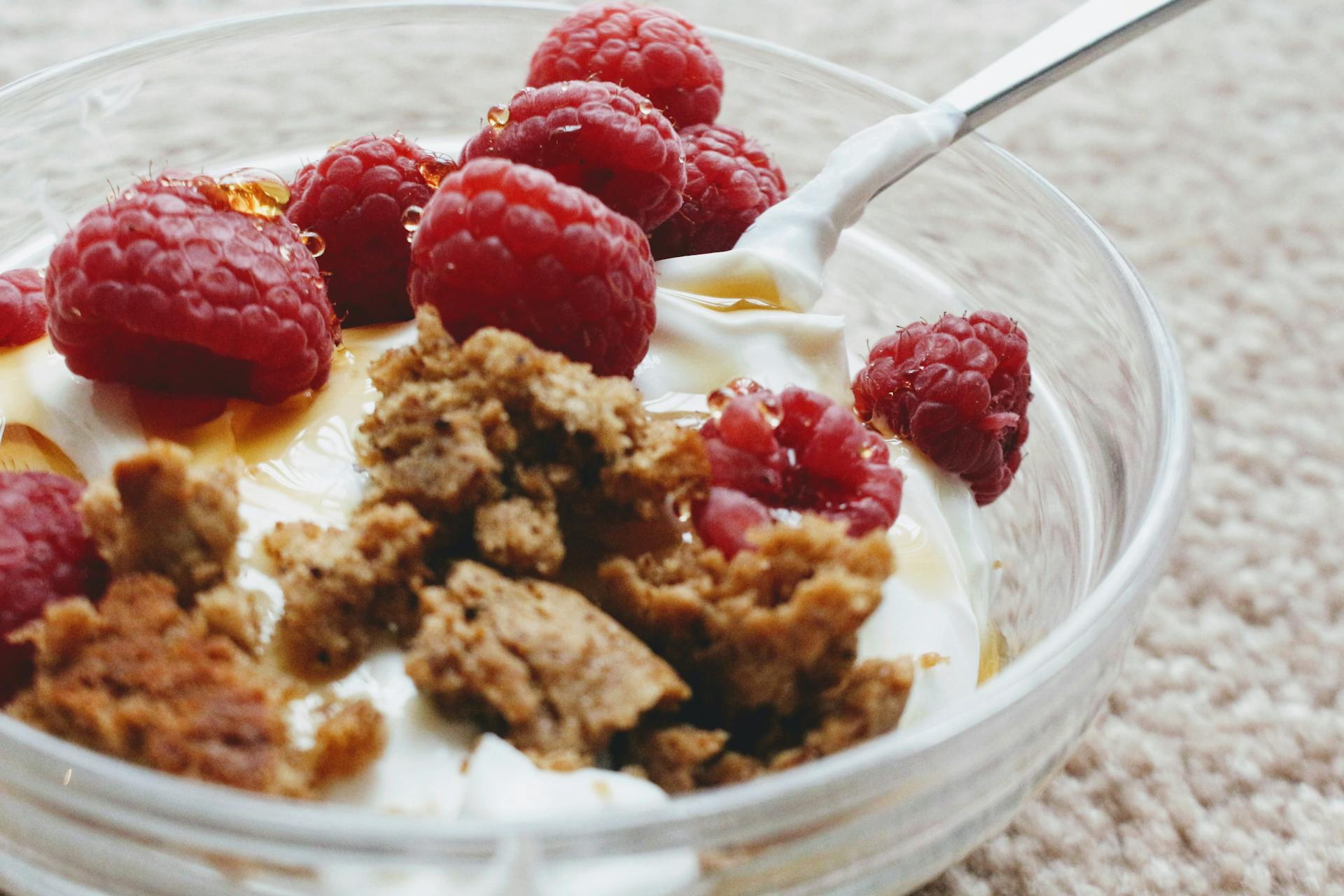
Some mornings, breakfast barely makes it to lunchtime. You eat a bowl of cereal, grab a pastry, or rush out with nothing more than coffee—and a couple of hours later, hunger is already distracting you. A nutritious breakfast can also become one part of a realistic morning routine built around sleep, movement, hydration, and good food.
Adding more protein can make breakfast much more satisfying. Protein plays an essential role in maintaining and repairing muscle, producing enzymes and hormones, and supporting many other functions throughout the body. It can also make meals more filling, especially when paired with fiber-rich carbohydrates and healthy fats.
That does not mean everyone needs an enormous protein-packed breakfast or that eating more protein automatically leads to weight loss. Your total diet, calorie intake, activity level, body size, age, and goals all matter. Current dietary guidance emphasizes building eating patterns around nutrient-dense protein foods alongside vegetables, fruits, whole grains, dairy, and healthy fats.
But if you enjoy breakfast and want something that actually keeps you satisfied through the morning, these 10 high-protein breakfasts are easy places to start.
Why Add More Protein to Breakfast?
A typical breakfast can vary dramatically. A sweet pastry and coffee may contain very little protein, while eggs, Greek yogurt, cottage cheese, tofu, milk, fish, or other protein-rich foods can turn breakfast into a much more substantial meal.
Research comparing breakfasts with different macronutrient compositions has found that higher-protein meals can increase feelings of fullness in the hours after eating. That does not necessarily mean you will automatically consume fewer calories over the entire day. Appetite is influenced by many factors, including sleep, activity, stress, portion size, and the rest of your diet. Still, protein can be a useful part of a satisfying breakfast.
Rather than chasing a perfect number, build your meal around a meaningful protein source and adjust the portion to fit your individual nutrition needs.
For many people, a breakfast containing roughly 20–30 grams of protein can be a practical starting point—but it is not a universal requirement. Your total daily protein intake matters more than hitting an exact number at breakfast.
Now, onto the food.
1. Greek Yogurt Berry Crunch Bowl
If you want something that takes almost no preparation, Greek yogurt is difficult to beat.
Ingredients
- 1 cup plain Greek yogurt
- ½ cup strawberries, blueberries, or mixed berries
- 1 tablespoon chia seeds
- 1 tablespoon chopped almonds
- Cinnamon
- Optional drizzle of honey
Quick Recipe
Spoon the yogurt into a bowl, add the berries, chia seeds, and almonds, then finish with cinnamon. If you prefer a little extra sweetness, add a small amount of honey.
Approximate Protein
25–30 grams
The exact amount depends heavily on the yogurt brand and serving size.
Nutrition Tip
Choose plain Greek yogurt when possible and add your own fruit. Flavored yogurts can contain considerably more added sugar. The combination of protein from yogurt and fiber from berries and chia seeds also gives the meal more staying power than yogurt alone.
2. Veggie Omelet With Cottage Cheese
Eggs are already a convenient source of protein. Adding cottage cheese makes the omelet softer, creamier, and even more protein-rich.
Ingredients
- 3 eggs
- ¼ cup cottage cheese
- Handful of spinach
- Chopped bell pepper
- Sliced mushrooms
- Black pepper
- Optional herbs
Quick Recipe
Whisk the eggs with the cottage cheese. Cook the vegetables briefly in a non-stick pan, pour in the egg mixture, and cook until the eggs are set. Fold and serve.
Approximate Protein
25–30 grams
Nutrition Tip
Don’t think of the vegetables as decoration. Spinach, mushrooms, peppers, tomatoes, and onions add volume, micronutrients, flavor, and some fiber without requiring a complicated recipe. Pair the omelet with fruit or whole-grain toast if you need additional carbohydrates.
3. Protein Oatmeal
Oatmeal is filling on its own, but traditional oats are not especially high in protein. Fortunately, they are incredibly easy to upgrade.
Ingredients
- ½ cup rolled oats
- 1 cup milk or fortified soy milk
- ½ to 1 scoop of protein powder
- 1 tablespoon natural peanut butter
- ½ banana
- Cinnamon
Quick Recipe
Cook the oats with milk according to the package instructions. Allow them to cool slightly before stirring in the protein powder. Top with peanut butter, banana, and cinnamon. If the mixture becomes too thick, add a splash of milk.
Approximate Protein
25–35 grams
Nutrition Tip
Protein powder is convenient, but it is not mandatory. You can also increase the protein content of oatmeal using Greek yogurt, milk, soy milk, cottage cheese, nuts, or seeds. Think of protein powder as a tool—not a requirement for healthy eating.
4. Smoked Salmon and Avocado Toast
Avocado toast becomes far more substantial once you add a real protein source. Smoked salmon does the job beautifully.
Ingredients
- 2 slices of whole-grain bread
- 3 oz (about 85 g) smoked salmon
- ½ avocado
- Squeeze of lemon juice
- Black pepper
- Optional cucumber, tomato, or fresh herbs
Quick Recipe
Toast the bread. Mash the avocado with lemon juice and spread it across the toast. Add smoked salmon, black pepper, and any vegetables or herbs you like.
Approximate Protein
22–28 grams
Nutrition Tip
Salmon provides protein along with omega-3 fatty acids. Smoked salmon, however, can also be relatively high in sodium. If sodium intake is something you need to monitor, use a smaller portion or choose fresh cooked salmon instead.
5. High-Protein Breakfast Smoothie
A smoothie can be useful when you need breakfast quickly or simply do not feel like eating a large solid meal first thing in the morning. The trick is making it more than blended fruit.
Ingredients
- 1 scoop protein powder
- 1 cup milk or fortified soy milk
- 1 small banana
- 1 tablespoon peanut butter
- Handful of spinach
- Ice
- Optional oats or chia seeds
Quick Recipe
Place everything into a blender and blend until smooth. Add more milk if you prefer a thinner texture or ice for a thicker smoothie.
Approximate Protein
30–40 grams
Nutrition Tip
Smoothies are easy to drink quickly, so portions can grow without you noticing. Build yours around protein, fruit, and other nutrient-dense ingredients rather than turning it into a giant drink loaded with juice, sweetened yogurt, syrups, and multiple spoonfuls of nut butter.
6. Cottage Cheese and Fruit Bowl
Cottage cheese might not look exciting straight from the container, but it makes an excellent breakfast base. It is quick, versatile, and naturally high in protein.
Ingredients
- 1 cup cottage cheese
- ½ cup berries, pineapple, or sliced peach
- 1 tablespoon pumpkin or chia seeds
- Cinnamon
- Optional chopped walnuts
Quick Recipe
Add the cottage cheese to a bowl and top it with fruit, seeds, and cinnamon. That’s it.
Approximate Protein
25–30 grams
Nutrition Tip
Check the Nutrition Facts label when comparing cottage cheese brands. Protein, sodium, fat, and serving sizes can differ considerably. If you are trying to increase fiber, fruit, seeds, and nuts make useful additions.
7. Egg and Turkey Breakfast Wrap
This is one of the easiest breakfasts to prepare ahead and take with you.
Ingredients
- 1 whole-wheat tortilla
- 2 eggs
- 2–3 oz sliced turkey breast
- Handful of spinach
- Chopped tomato
- Salsa
Quick Recipe
Scramble the eggs. Place them in the tortilla with turkey, spinach, tomato, and salsa. Fold tightly and toast briefly in a pan if you prefer a crisp exterior.
Approximate Protein
30–35 grams
Nutrition Tip
Prepackaged deli turkey can contain a substantial amount of sodium. Compare labels and choose lower-sodium options when available, or substitute leftover roasted chicken or turkey. For meal prep, assemble several wraps, refrigerate them safely, and reheat when needed.
8. Cottage Cheese Protein Pancakes
Protein pancakes do not need to taste like dry protein powder. Cottage cheese, eggs, and oats produce a surprisingly soft pancake while supplying plenty of protein.
Ingredients
- 2 eggs
- ½ cup cottage cheese
- ½ cup rolled oats
- ½ banana
- Cinnamon
- Small amount of oil for cooking if needed
Quick Recipe
Blend the eggs, cottage cheese, oats, banana, and cinnamon until smooth. Pour small portions into a warm non-stick pan and cook until bubbles appear. Flip and cook the other side. Serve with berries or Greek yogurt.
Approximate Protein
28–32 grams
Nutrition Tip
Many pancake toppings can quickly turn an otherwise balanced breakfast into a dessert. Instead of drowning the pancakes in syrup, try berries, yogurt, sliced banana, or a small amount of nut butter.
9. Tofu Breakfast Scramble
You do not need eggs or dairy to build a protein-rich breakfast. Tofu makes a simple plant-based scramble that works especially well with vegetables and spices.
Ingredients
- About 200 g firm tofu
- Spinach
- Mushrooms
- Tomato
- Onion
- 1 tablespoon nutritional yeast
- Turmeric
- Black pepper
- Garlic powder
Quick Recipe
Crumble the tofu into a pan. Add the vegetables, nutritional yeast, turmeric, black pepper, and garlic powder. Cook for several minutes until the vegetables soften and the tofu is heated through.
Approximate Protein
22–28 grams
Nutrition Tip
Pairing tofu with whole-grain toast, beans, seeds, or another plant protein can increase both the protein content and overall variety of the meal. Nutritional yeast also adds a savory flavor that works surprisingly well in tofu scramble.
10. Quinoa and Greek Yogurt Breakfast Bowl
Quinoa normally appears at lunch or dinner, but there is no rule saying it cannot become breakfast. Its slightly nutty flavor works particularly well with fruit and cinnamon.
Ingredients
- 1 cup cooked quinoa
- ¾ cup plain Greek yogurt
- ½ cup berries
- 1 tablespoon pumpkin seeds
- Cinnamon
- Optional splash of milk
Quick Recipe
Warm the quinoa if you prefer a hot breakfast, or use it cold. Top with Greek yogurt, berries, pumpkin seeds, and cinnamon.
Approximate Protein
25–30 grams
Nutrition Tip
Quinoa provides all nine essential amino acids, but that does not make it uniquely magical. The broader goal is dietary variety. Whole grains, dairy or fortified alternatives, soy foods, legumes, nuts, seeds, eggs, fish, and lean meats can all contribute useful nutrients to your diet.
How to Make Any Breakfast More Filling
Protein matters, but it is only one part of the meal. A breakfast built entirely around protein while ignoring everything else is not automatically better. Here are a few ways to create a more balanced meal.
Pair Protein With Fiber
One controlled trial found that egg-based breakfasts containing either higher protein or moderate protein plus fiber improved several appetite-related outcomes compared with a lower-protein cereal breakfast.
Fiber-rich foods can add volume and help make meals more satisfying. Useful breakfast options include:
- Oats
- Berries
- Apples
- Whole-grain bread
- Chia seeds
- Flaxseed
- Vegetables
- Beans
Instead of thinking only about protein grams, try asking:
“Where is my protein, and where is my fiber?”
That simple question can improve a surprising number of breakfasts.
Include Healthy Fats—Without Forgetting Portions
Avocado, nuts, seeds, olive oil, and natural nut butters can add flavor, texture, and nutrients. They are also calorie-dense. That is not a reason to avoid them. It simply means portions still matter, particularly if you are managing your overall calorie intake.
Don’t Fear Carbohydrates
A high-protein breakfast does not need to be a low-carbohydrate breakfast. Fruit, oats, whole-grain bread, quinoa, and other minimally processed carbohydrate sources can provide fiber, vitamins, minerals, and useful fuel—particularly if you train in the morning. The goal is balance, not eliminating an entire macronutrient.
Pay Attention to Added Sugar
Protein bars, flavored yogurt, breakfast cereal, bottled smoothies, granola, and “healthy” breakfast products can sometimes contain surprisingly large amounts of added sugar. Turn the package around and look at the Nutrition Facts label rather than relying on front-of-package claims.
Remember That Total Daily Protein Matters
Protein also becomes especially relevant when your nutrition is supporting training and recovery. Breakfast is one opportunity to eat protein—not your only opportunity. Protein needs vary according to factors such as body size, age, activity level, health status, and training goals. Dietary Reference Intakes provide population-level reference values, but individual requirements can differ.
Someone who performs regular resistance training may have different needs from someone who is mostly sedentary. Instead of forcing the same protein target onto every meal, look at your diet as a whole.
A Simple 7-Day High-Protein Breakfast Rotation
| Day | Breakfast | Approx. Protein |
|---|---|---|
| Monday | Greek Yogurt Berry Bowl | 25–30 g |
| Tuesday | Veggie Omelet + Cottage Cheese | 25–30 g |
| Wednesday | Protein Oatmeal | 25–35 g |
| Thursday | Salmon Avocado Toast | 22–28 g |
| Friday | High-Protein Smoothie | 30–40 g |
| Saturday | Egg and Turkey Wrap | 30–35 g |
| Sunday | Cottage Cheese Protein Pancakes | 28–32 g |
You do not need seven different breakfasts every week. If two or three recipes work well for your routine, repeat them.
Healthy eating becomes much easier when your meals are convenient enough to survive busy mornings.
Which High-Protein Breakfast Is Best?
There isn’t one. The best option depends on what you actually enjoy, how much time you have, your overall diet, food preferences, calorie needs, and fitness goals.
Need something in two minutes? Choose Greek yogurt or cottage cheese.
Need breakfast on the road? Prepare a wrap or smoothie.
Training hard that morning? Oatmeal, fruit, whole-grain toast, or quinoa can provide useful carbohydrates alongside protein.
Prefer plant-based eating? Try tofu, soy milk, oats, nuts, seeds, or legumes.
The smartest breakfast is rarely the most complicated one. It is usually the meal you enjoy enough to prepare consistently.
Final Thoughts
A high-protein breakfast does not need protein powder in everything, nor does it need to look like a bodybuilder’s meal-prep container. It can be as simple as Greek yogurt with berries, eggs with vegetables, cottage cheese and fruit, oatmeal made with milk, or tofu scrambled with vegetables.
Protein can help make breakfast more satisfying, but the bigger picture still matters.
Build your meals around nutrient-dense foods, include fiber-rich plants, choose portions that fit your needs, and think about your overall diet rather than obsessing over one perfect meal.
Most importantly, find a breakfast that works on an ordinary Tuesday morning—not just on the days when you have unlimited time and motivation. The same principle applies to exercise: sustainable habits matter more than extreme routines.
That’s the kind of healthy habit that tends to last.
F.A.Q.
There is no universal protein requirement specifically for breakfast. Your needs depend on factors such as body weight, age, activity level, health, and fitness goals. For many people, roughly 20–30 grams can be a practical amount for building a protein-rich meal, but total daily protein intake is more important than hitting an exact breakfast number.
Protein-rich meals can increase feelings of fullness, which may make appetite easier to manage. However, a high-protein breakfast does not automatically cause weight loss. Long-term changes in body weight depend on overall calorie intake, diet quality, activity, sleep, and other individual factors.
Greek yogurt with fruit and seeds, cottage cheese with fruit, eggs on whole-grain toast, or a simple protein smoothie are among the quickest options. Most can be prepared in five minutes or less.
Absolutely. Eggs, Greek yogurt, cottage cheese, milk, soy foods, tofu, fish, poultry, beans, nuts, and seeds can all contribute protein. Protein powder is simply a convenient option rather than a requirement.
Tofu scramble, soy yogurt with nuts and seeds, oatmeal made with soy milk, beans on whole-grain toast, or a smoothie made with soy milk and plant protein are useful plant-based options.
For most healthy people, protein-rich foods can be part of a balanced daily diet. Individual protein needs and medical considerations differ, however, so people with conditions requiring dietary protein management should follow advice from their healthcare professional.