
Have you ever finished a hard workout, feeling great, only to wake up the next day barely able to walk up the steps? Training will often leave you sore, especially if you are working on getting stronger, faster, or fitter. But soreness is common, and you don’t have to take days to recover.
The secret isn’t training harder; it’s recovering smarter. The speed at which your muscles repair themselves is greatly influenced by what you eat after exercising. Eating the right foods can help you reduce inflammation, rebuild muscle tissue, restore your energy levels, and get you ready for your next workout sooner.
Here are some of the best foods for faster muscle recovery and why they deserve a place on your plate.
Why is Recovery Nutrition Important?
All exercise puts a strain on your muscles. During exercise muscle fibers are torn down. That sounds alarming, but this is actually how muscles get stronger.
Recovery is when your body fixes those fibers and adjusts to the stresses you’ve put on it.
To do this properly, you need the following:
- Protein for muscle tissue repair
- Carbohydrates to restock energy stores
- Healthy fats for recovery and hormone production
- Vitamins and Minerals Cellular repair
- Anti-inflammatory compounds to help reduce over-excessive soreness
Without proper nutrition, your recovery can slow down, and you’ll feel tired, sore, and less ready for your next training session.
1. Eggs: A Simple Recovery Superstar
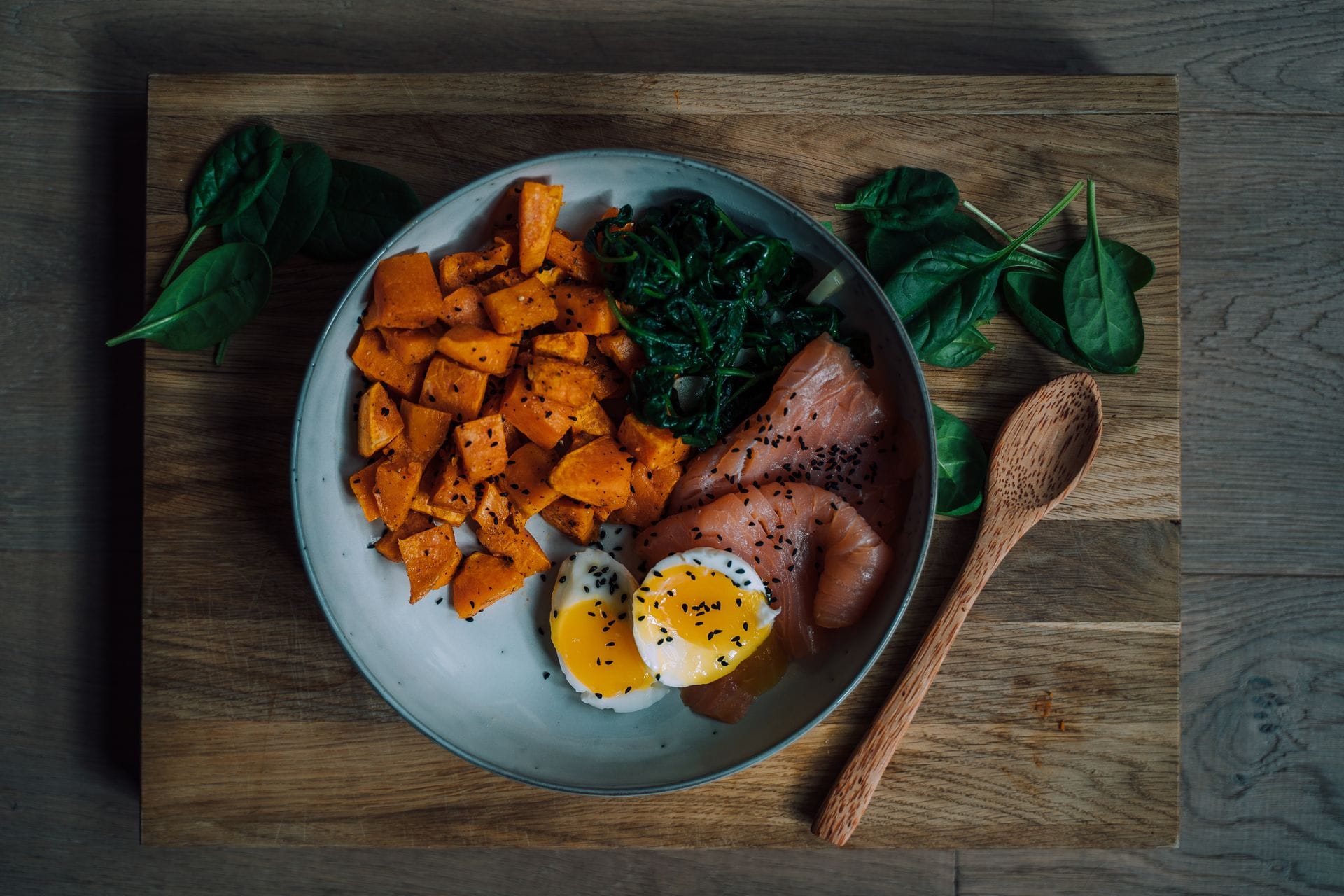
Eggs have a reputation as one of the best muscle-building foods, and rightly so. They are packed with quality protein and contain all the essential amino acids your body needs to rebuild your muscles.
One nutrient in particular, called leucine, plays a key role in stimulating muscle protein synthesis, the process your body uses to rebuild muscle tissue after exercise.
Why They’re Good for Recovery
- High-quality complete protein
- High in leucine
- Cheap and easy to prepare
- High in vitamins and minerals
Eggs are one of the easiest recovery foods to eat, whether scrambled, boiled, or added to a post-workout meal.
2. Salmon: Protein with Powerful Anti-Inflammatory Benefits
If there was a “superfood” for recovery, salmon would be at the top of the list. Not only is it a good source of protein, but it is also rich in omega-3 fatty acids. These healthy fats can help fight inflammation caused by intense training and can even help decrease muscle soreness.
Benefits of Recovery
- Helps with muscle repair
- Helps to reduce inflammation
- Supports joint health
- Vitamin D and selenium source
Adding salmon to your weekly meal plan can help your recovery and overall health.
3. Tart Cherries: A Favorite Among Athletes
Many endurance athletes love to drink tart cherry juice after hard workouts. That’s because tart cherries contain natural plant compounds called polyphenols that have powerful antioxidant and anti-inflammatory properties.
Some research suggests they may help reduce muscle soreness and recover more quickly from intense exercise.
Simple Ways to Enjoy them
- Tart cherry juice
- Dried Tart Cherries
- Cherry shakes
They may be particularly beneficial after long runs, heavy lifting sessions, or intense sports competitions.
4. Greek Yogurt: Protein That Keeps Working
Greek yogurt is a recovery powerhouse due to the two types of protein it contains: whey and casein. Whey digests quickly. Casein digests slowly. Together they give your muscles a steady supply of amino acids.
Why Athletes Love It
- High protein
- Supports gut health with probiotics
- Calcium-rich
- Practical and adaptable
Greek yogurt with berries and nuts for a delicious and healthy recovery snack.
5. Berries: Small Fruits with Big Benefits
Blueberries, strawberries, raspberries, and blackberries might be small, but they are jam-packed with antioxidants.
When you work out hard, your body generates free radicals, which can contribute to muscle damage and inflammation. Antioxidants help to neutralize these compounds and aid recovery.
Best Berry Options
- Blueberry
- Strawberry
- Blackberry
- Raspberry
A handful thrown into your breakfast or smoothie is an easy way to boost your recovery nutrition.
6. Sweet Potatoes: Refuel Your Muscles
A lot of people think about protein post-workout and forget about carbs. That’s an error.
Vigorous exercise burns the glycogen stores in your muscles, which then need to be replenished. Sweet potatoes are packed with complex carbs that help fill up your body’s energy stores.
Advantages
- Glycogen replacement
- High in potassium
- gives you lasting energy
- Overall recovery support
Pair sweet potatoes with a lean protein source for a great post-workout meal.
7. Turmeric: The Golden Spice for Recovery
Traditional medicine has used turmeric for centuries, and modern science is starting to figure out why. Curcumin, the active compound found in turmeric, is known for its strong anti-inflammatory properties.
Possible Benefits
- May reduce muscle soreness.
- Supports joint comfort
- Fights exercise-induced inflammation
You can easily boost your intake by adding turmeric to soups, curries, rice dishes, or smoothies.
8. Watermelon: Refreshing and Recovery-Friendly
Nothing beats a cold slice of watermelon when you’ve worked up a sweat. Hydration from watermelon and the amino acid citrulline, which has been associated with better blood flow and less muscle soreness.
Benefits Of Recovery
- Helps in replacing lost fluids
- Circulation support
- Antioxidants that are good for you
- Naturally Refreshing
It’s an ideal recovery snack for the warmer months.
9. Leafy Greens: Recovery Nutrition You Shouldn’t Ignore
Sometimes leafy greens like spinach, kale, and others are missed. These vegetables are loaded with nutrients that help muscle function, recovery, and overall well-being.
Why They Are Important
- High in Magnesium
- Assist in muscle contraction
- May help with cramps
- Have fiber and antioxidants
One of the simplest dietary changes you can make is to incorporate more greens into your meals.
10. Nuts and Seeds: Healthy Fats That Help Recovery
Almonds, walnuts, chia seeds, and flaxseeds are packed with healthy fats, minerals, and antioxidants. They may help to reduce inflammation while also providing nutrients that help to promote recovery and muscle function.
Best Choices
- Almonds
- Walnuts
- Chia seeds
- Flaxseeds
- Pumpkin seeds
A small handful is a handy recovery snack when you’re on the go.
Foods That May Delay Recovery
Just as certain foods aid your body in recovery, others can sabotage your attempts.
Try to restrict:
- Ultra-processed foods
- excess Sugary drinks
- Fried foods
- Alcohol
- Fast-food meals
There is nothing wrong with having these from time to time, but they should not form the basis of your recovery diet.
Don’t Forget About Hydration
Food is just one part of the recovery picture. Water is essential to the body’s functions. It helps to carry nutrients, control body temperature, and keep muscles functioning properly.
Even a little dehydration can leave you feeling tired and slow down your recovery. Make sure you drink a lot of water throughout the day, especially after heavy exercise.
Foods that hydrate you, like watermelon, oranges, and cucumber, can also help.
Conclusion
If you want to train consistently and see better results, recovery needs to be part of your fitness strategy. The best foods for fast muscle recovery are not exotic supplements or expensive products. This is what we eat daily: eggs, salmon, berries, Greek yogurt, sweet potatoes, leafy greens, and nuts.
These nutrient-dense foods give you the protein, carbs, antioxidants, and anti-inflammatory compounds that your body requires to rebuild muscle tissue and get back to your previous strength.
Remember, fitness progress happens during the recovery periods in between—not while you’re lifting or running. Eat well to recover well, and your future workouts will thank you.