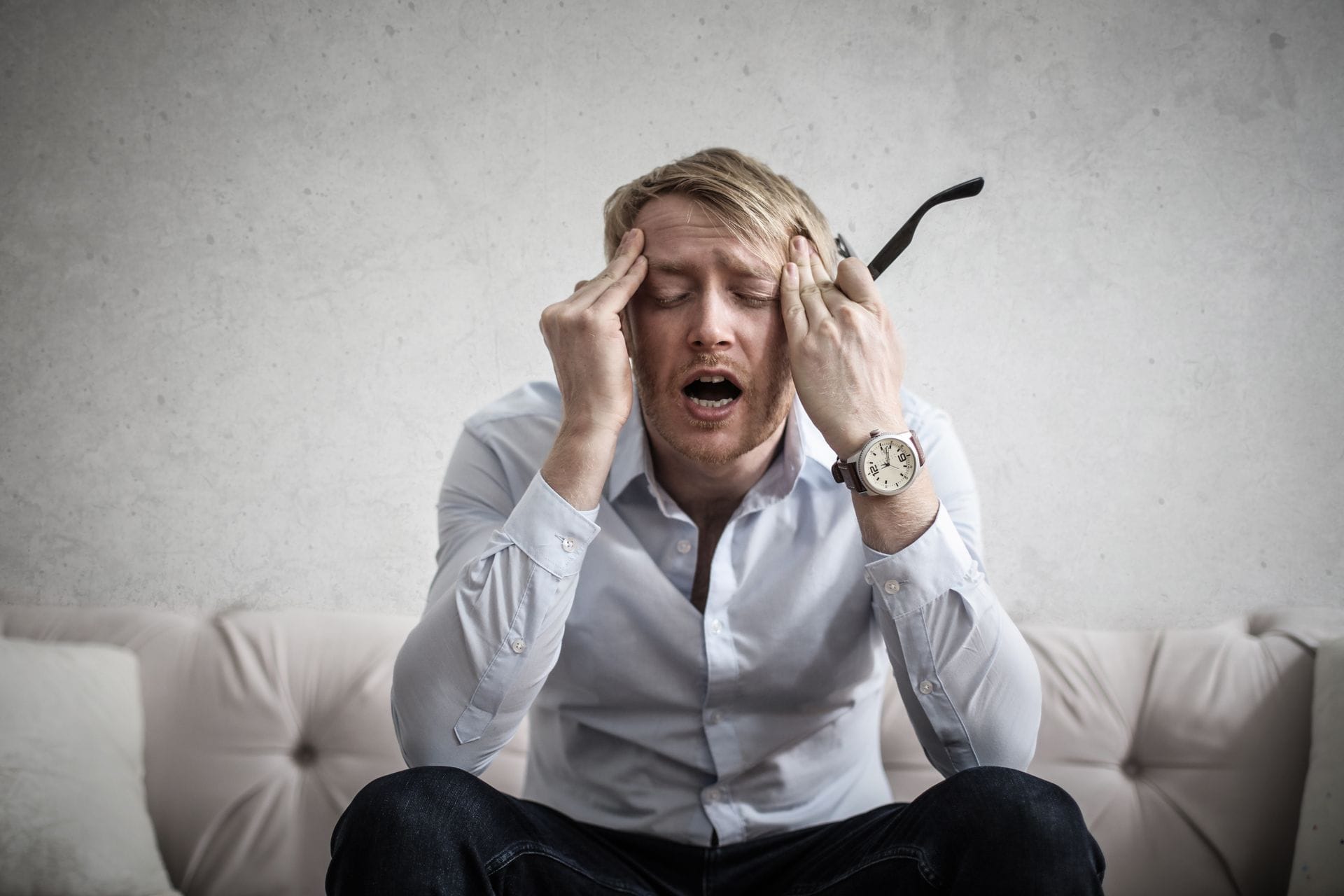
We’ve all been there—staying up way too late to binge-watch a series, study for an exam, finish a project, or just endlessly scroll through our phones. The next day is usually miserable enough.
But have you ever considered what would happen if you never slept?
It’s the stuff of science fiction, but researchers have been studying sleep deprivation and its effects on the human body for decades. And the results are startling. Sleep is not just a time-out for your brain. It is one of the most important biological functions that keeps you alive and healthy.
Your body begins to break down in ways both fascinating and terrifying. Without sleep, your mind gets cloudy, your emotions spiral, the world begins to blur, and eventually even basic bodily functions can be affected. How long could one actually stay awake? Would they go nuts? Can you die from not sleeping?
So what actually happens when a human body is pushed too far? Let’s see.
Why sleep is more important than you think
Most people think of sleep as a time to recharge after an active day. In fact, sleep is more like your brain and body’s nightly maintenance session.
Sleep allows your brain to process everything you have gone through during the day, organize memories, clear out waste products, and strengthen important neural connections. At the same time, your body repairs tissues, regulates hormones, strengthens the immune system, and prepares for the challenges of tomorrow.
In other words, sleep is not something your body enjoys; it’s something your body needs.
The First 24 Hours: When Things Start to Go Wrong
“Missing one night of sleep doesn’t seem like a big deal, but your body knows right away.
Your reaction time can be greatly slowed down after about 24 hours without sleep. It can be hard to concentrate, normal things can feel harder to do, and your mood can change for no reason. Many people say they feel foggy, distracted, and strangely emotional.
Indeed, studies have shown that staying awake for a full day produces impairments similar to those observed when intoxicated. Your brain just isn’t firing on all cylinders.
Two Days Without Sleep: Your Brain Begins to Fight Back
After 48 hours without sleep, it gets significantly worse.
You may find it hard to speak to people, focus on things, or think clearly. Anxiety increases and coordination begins to drop.
One of the strangest effects is the emergence of microsleeps—tiny moments when parts of your brain basically nap for a few seconds, even when you’re technically awake. You may be staring into space and not know it, or you may forget what is happening around you without knowing it.
Your brain is desperately trying to get the rest it’s being denied.
Three Days Without Sleep: The Cracks in Reality
When you’ve been awake for 72 hours, the line between reality and imagination can start to blur.
People often say they see things that are not really there, hear voices, or get everyday events wrong. Hallucinations are more frequent. Some people get paranoid, thinking other people are watching them or plotting against them.
The brain is so tired by this time that it can hardly tell dreams from reality. It’s a scary reminder of how reliant our brains are on sleep to function correctly.
The Famous Teen Who Went Without Sleep For 11 Days
One of the most famous experiments on sleep deprivation was Randy Gardner, a high school student who stayed awake for about 11 days, in 1964.
Over days he developed problems with his memory, mood swings, difficulty concentrating, and hallucinations. He eventually got some sleep, and surprisingly, he recovered and didn’t seem to be suffering from any lasting effects. Experts, however, strongly advise against repeating such experiments today.
“Just because someone made it through an extreme challenge, doesn’t mean it’s safe.”
Does sleep deprivation harm your brain?
This is where science becomes especially scary. Occasional sleep deprivation is usually reversible, but chronic sleep deprivation can have long-lasting consequences. Research has found that lack of sleep can lead to poor memory, decreased cognitive function, increased inflammation, and possibly aid in the development of neurodegenerative diseases in later life.
Scientists also have discovered that sleep helps clear waste products from the brain. If we don’t get enough sleep, it’s possible that these substances can accumulate over time and could increase the risk of neurological problems.
Your brain doesn’t just want sleep. It needs sleep for long-term maintenance and protection.
What about the rest of your body?
Sleep deprivation affects more than just your mind. Your immune system gets weaker, and it’s harder to fight off illness. Stress hormones flood the system, putting more pressure on your heart and blood vessels. Your metabolism is disrupted, leading to more cravings for unhealthy foods and a higher chance of gaining weight.
Chronic sleep loss has been linked to a host of health problems, including high blood pressure, heart disease, diabetes, anxiety, and depression.
Basically every system in your body is affected by consistent lack of sleep.
Can You Die From Sleep Deprivation?
What the exact limit is, scientists can’t know because it would be unethical to push people to that point on purpose.
But there is a rare condition called fatal insomnia that gives us a glimpse of what happens when the body loses its ability to sleep. People with this disorder gradually lose the ability to sleep. This leads to extreme neurological decline and death.
The condition is a reminder of a simple yet profound truth: you need sleep to live.
The Good News: You Can Recover
The human body is an amazing thing. After sleep deprivation, people often experience something called sleep rebound. During recovery sleep, the brain spends more time in the deep and REM stages of sleep, the most important for restoration.
While one night’s good sleep can’t make up for weeks of sleep deprivation, it can vastly improve mental performance, mood, and general well-being.
Conclusion
It’s easy to think of sleep as something we can trade for productivity, entertainment, or more hours in the day. In modern culture, people who work late and sleep less are often praised.
But the science tells another story. Sleep is one of the most potent tools your body has for keeping you healthy, protecting your brain, controlling your emotions, and helping you survive in the long run. Even a short period of sleep loss can have surprisingly severe effects.
So if you are thinking about pulling another all-nighter, keep this in mind: Your body can survive longer without many things than it can without proper sleep. Next time your pillow calls, maybe you should answer the call.