
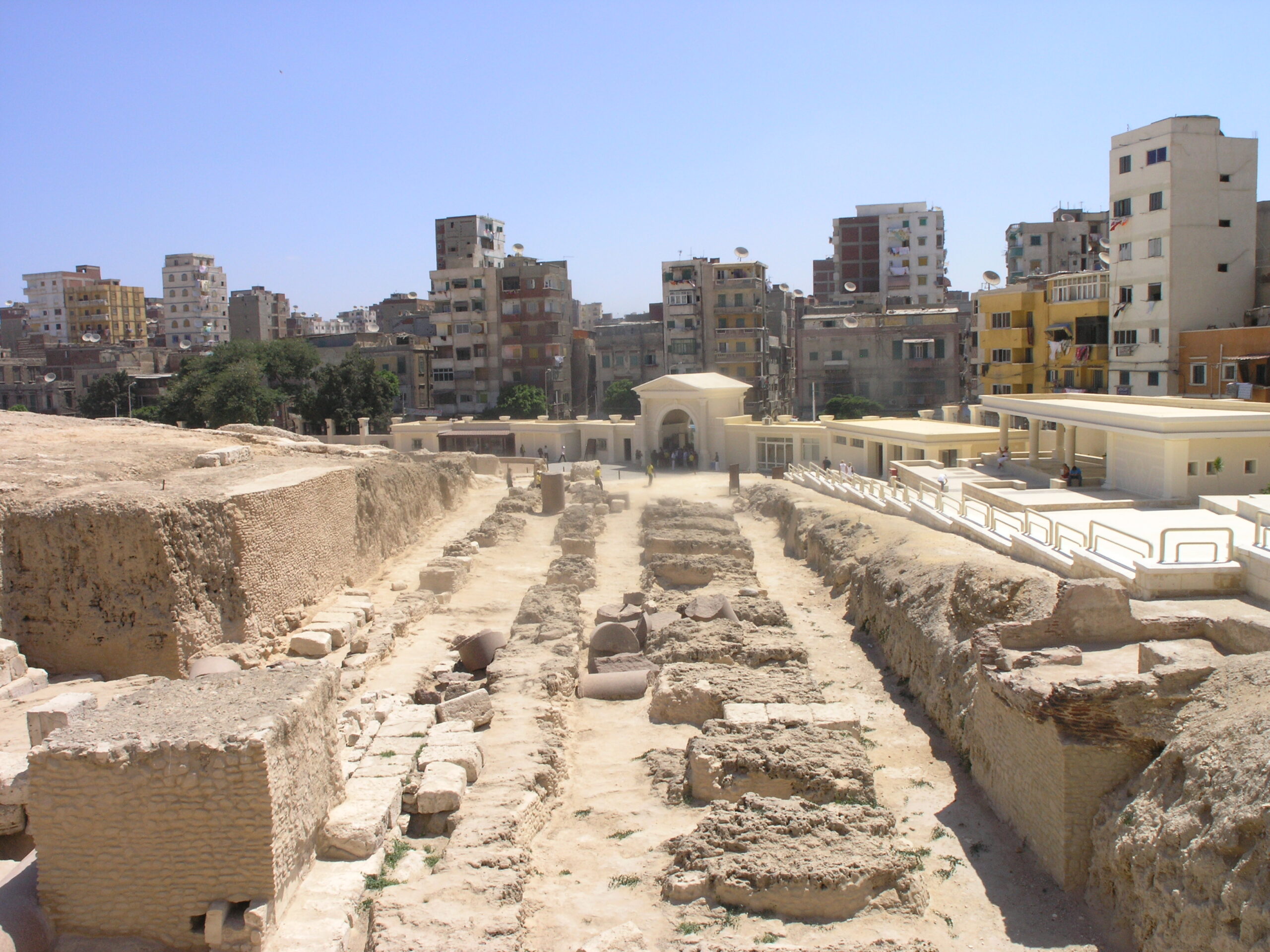
The Library That Contained Ancient Forbidden Knowledge
For centuries, whispers have surrounded the legendary Library of Alexandria — a place many believe held the greatest collection of knowledge the ancient world had ever seen. Some historians describe it as humanity’s first true universal library. Others believe it contained dangerous discoveries, forgotten science, and texts so powerful they vanished forever after the library’s destruction.
Was the loss of the library a tragic accident of history?
Or was ancient knowledge intentionally erased?
The mystery continues to fascinate historians, archaeologists, conspiracy theorists, and lovers of ancient civilizations alike.
The Birth of the Greatest Library in History
Founded in the 3rd century BCE in the city of Alexandria under the rule of the Ptolemy I Soter, the Library of Alexandria was designed to collect all the knowledge in the world.
Ancient scholars traveled across continents bringing scrolls from:
- Greece
- Egypt
- Persia
- India
- Rome
- Mesopotamia
Some historical accounts claim the library may have housed more than 400,000 scrolls, though estimates vary widely.
The library was connected to the famous Mouseion — a massive research institution where philosophers, mathematicians, astronomers, and inventors worked together centuries before modern universities even existed.
What Knowledge Was Hidden Inside?
The true contents of the library remain one of history’s greatest mysteries.
Historians believe the collection included:
- Advanced astronomy records
- Mathematical discoveries
- Medical knowledge
- Maps of the ancient world
- Philosophical writings
- Engineering concepts
- Religious texts from multiple cultures
Some theories suggest the library may have contained:
- Lost inventions from ancient civilizations
- Early concepts of steam-powered machinery
- Knowledge about astronomy far ahead of its time
- Forgotten Egyptian scientific methods
Because most of these texts disappeared, we may never know how advanced ancient civilizations truly were.
Ancient Science Lost Forever
Many scholars argue that humanity may have lost centuries of scientific progress when the library vanished.
Ancient inventors such as Hero of Alexandria created remarkable devices, including early steam-powered mechanisms and automated machines.
Some historians speculate:
- Could ancient scientists have discovered technologies later reinvented centuries afterward?
- Did forgotten medical texts contain cures or treatments lost to time?
- Were there maps documenting civilizations now buried beneath oceans or deserts?
While some claims are exaggerated, the destruction of so many original manuscripts created enormous gaps in human history.
Who Destroyed the Library of Alexandria?
The most haunting mystery is how such an important place disappeared.
There is no single confirmed event that destroyed the library completely. Instead, historians believe it suffered multiple waves of damage over centuries.
Possible causes include:
Julius Caesar’s Siege
During Caesar’s Civil War in 48 BCE, fires in the harbor of Alexandria may have spread and damaged parts of the library.
Religious Conflict
As political and religious tensions grew in the Roman Empire, pagan centers of learning became targets.
Gradual Decline
Some historians believe the library slowly faded due to lack of funding, wars, and political instability rather than one catastrophic fire.
The uncertainty surrounding its destruction only deepens the legend.
The Forbidden Knowledge Theory
One of the most popular modern theories claims the library contained forbidden knowledge that powerful groups wanted erased.
According to these theories, the library may have preserved:
- Ancient spiritual teachings
- Scientific ideas challenging authority
- Historical truths lost from official records
- Knowledge inherited from even older civilizations
Although there is little direct evidence for these claims, the mystery thrives because so much information truly disappeared.
When knowledge vanishes, imagination fills the gaps.
Could Some Scrolls Still Exist?
Archaeologists and historians continue searching for traces of lost Alexandrian texts.
Some believe copies of ancient manuscripts survived in:
- Hidden monasteries
- Private collections
- Ancient Middle Eastern archives
- Underground tombs
Fragments of lost works occasionally reappear through discoveries in archaeology, offering tiny glimpses into what humanity may have lost.
The dream of rediscovering forgotten knowledge still captures global fascination today.
Why the Library of Alexandria Still Matters
The story of the Library of Alexandria is more than an ancient tragedy.
It represents:
- The fragility of human knowledge
- The danger of censorship and war
- Humanity’s endless pursuit of understanding
- The fear of losing history forever
In today’s digital age, where information can disappear instantly, the fall of Alexandria feels surprisingly modern.
The library became a symbol of both enlightenment and loss — a reminder that civilizations rise through knowledge, but can also collapse when it is destroyed.
Final Thoughts
The Library of Alexandria remains one of history’s greatest unsolved mysteries.
Whether it contained ordinary manuscripts or revolutionary discoveries lost forever, its destruction changed the course of human civilization. The idea that priceless knowledge vanished into smoke and ashes continues to inspire books, documentaries, films, and endless theories.
Perhaps the real mystery is not only what was lost — but what humanity might have become if those ancient scrolls had survived.